
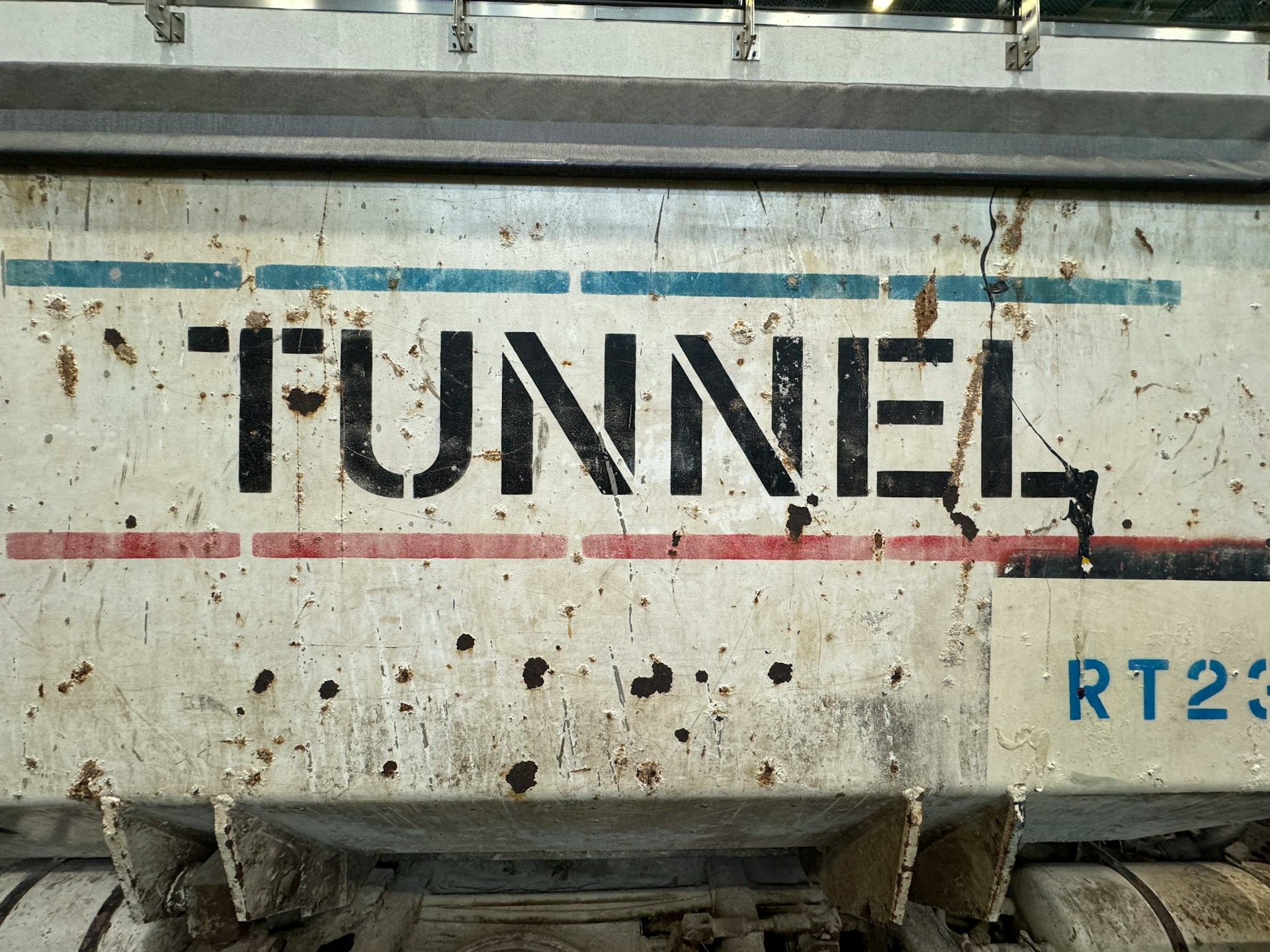
France remains one of the UK’s most important trading partners. Thousands of UK companies export or import goods between the two countries every year — from industrial machinery and vehicles to food, drink, and pharmaceuticals.
Around 5,000 freight trailers cross from France to the UK daily, reflecting how strong and consistent trade remains.
The main product categories traded between the UK and France include:
– Machinery and transport equipment (including vehicles and aircraft parts)
– Pharmaceuticals and chemicals
– Food and drink, including cheese, spirits, and chocolates
– Manufactured and consumer goods
Some product groups — especially perishables and temperature-controlled items — need specialist handling and specific port health documentation. Using a forwarder familiar with these requirements can make the difference between a smooth clearance and costly delays.
Main Ports and Routes
UK ports: Dover is the primary Ro-Ro (roll-on, roll-off) gateway for freight traffic heading to and from France. Felixstowe, Southampton, and London Gateway handle containerised cargo, while Portsmouth, Folkestone, and Newhaven are also common routes depending on your operator and schedule.
French ports: Calais and Boulogne handle most short-sea and Ro-Ro freight, with Dunkerque, Le Havre (HAROPA), and Marseille-Fos serving as key deep-sea and southern gateways. The majority of UK–France shipments travel by road due to short transit times and frequent sailings.
Common Transport Options
Road freight (Ro-Ro ferries):
Ideal for full or part trailer loads and palletised shipments. Regular sailings between Dover and Calais or Dunkerque offer flexibility and fast turnaround.
Channel Tunnel (Freight Shuttle):
A fast and reliable option for time-sensitive or high-frequency movements.
Container shipping:
Used for large, consolidated, or long-distance cargo, typically between Felixstowe and Le Havre. It’s less common for France due to the short distance but can be suitable for certain logistics setups.
Air freight:
Best for high-value or urgent consignments where speed matters more than cost.
Parcel and courier services:
For smaller B2C or light B2B shipments, couriers can manage customs formalities — but you’ll still need complete commercial invoices and HS codes.
At GWT Import and Export Specialists Ltd, we provide tailored freight and customs support for shipments of any size — from groupage and pallets to full trailer loads, by road, sea, or air.
Essential Documents for UK–France Shipments
Before shipping, ensure you have the right documents ready:
– EORI number (GB or FR prefix, depending on your role)
– Commercial invoice — full description, values, Incoterms, and buyer/seller details
– Packing list — weights, pallet or box counts
– Export and import declarations — completed via CDS or your appointed customs agent
– Bill of Lading, CMR, or Air Waybill
– Proof of origin / Statement on Origin — for preferential tariff claims under the EU–UK Trade & Cooperation Agreement
– Any relevant certificates — such as veterinary, phytosanitary, or product compliance
– Goods Movement Reference (GMR) — for GVMS-controlled ports, typically handled by the freight operator
– Trailer number and routing details
If your goods are restricted (e.g. food, plants, or chemicals), you may need additional permits or pre-notifications. Always confirm these before departure.
Exporting from the UK to France
- Check your commodity codes and licences.
This determines duties, restrictions, and if any certificates are needed.2. Prepare your paperwork early.
Missing details or late submissions can delay vehicles at the port.3. Submit export declarations.
These must be filed before departure — your freight forwarder can assist.4. Goods Movement Reference (GMR).
This is required at GVMS ports and connects all your customs entries for faster processing.5. Arrival in France.
French customs review the import entry, safety and security (ENS) filings, and any sanitary documents. If claiming preference, ensure your invoice includes the correct statement on origin.
Importing from France to the UK
- Exporter preparation.
The French exporter should issue a full commercial invoice, packing list, and, where applicable, a statement on origin.2. Export declaration (France).
The exporter or their agent submits the required exit declaration.3. Import declaration (UK).
The UK importer or their broker submits an entry to HMRC via CDS, covering the HS code, customs value, and any preferential duty claim.4. Duties and VAT.
These depend on the commodity, origin, and any preference claim. GWT can guide you through payments, check rates in advance, and ensure that all taxes are correctly accounted for.
Duties, VAT and Preferential Tariffs
Customs duty is based on the declared customs value (typically invoice value plus transport and insurance). The rate depends on the product’s HS code.
Import VAT applies at the point of entry but can often be reclaimed or postponed under UK accounting rules.
Preferential tariffs under the EU–UK Trade & Cooperation Agreement allow many goods to move duty-free, provided they meet the rules of origin. Always retain evidence — supplier declarations, manufacturing records, or long-term origin statements — in case of customs verification.
GVMS in Practice
The Goods Vehicle Movement Service (GVMS) links all declarations related to a single vehicle movement under one GMR reference.
Hauliers must have a valid GMR to board ferries or the Channel Tunnel freight service. This system speeds up processing and integrates safety and security requirements — all handled digitally via the UK Government Gateway.
Common Pitfalls (and How to Avoid Them)
– Wrong HS code or undervalued invoices — double-check your data before submitting.
– Missing EORI or CDS access — apply well before your first shipment.
– Incomplete origin evidence — keep records for every preference claim.
– Missing GMR — the truck won’t board without it.
– Incorrect or late trailer details — always confirm routes and registrations early.
– Missing certificates for controlled goods — ensure veterinary or phytosanitary documents are ready before departure.
Tips for Smooth Customs Clearance
– Get your EORI number before shipping.
– Work with a trusted customs broker (like GWT) for your first few shipments.
– Use complete commercial invoices with HS codes, Incoterms, and values.
– Agree on Incoterms upfront — they define who pays for freight and who handles customs.
– Check if your goods need port health or safety certificates.
– Keep proofs of origin if you’re claiming tariff preference.
– Send paperwork early and electronically — it saves time and prevents hold-ups at port.
Quick Pre-Departure Checklist
– EORI (GB/FR) — ✔
– Commodity codes confirmed — ✔
– Commercial invoice & packing list — ✔
– Export declaration submitted — ✔
– GMR arranged (if required) — ✔
– Import declaration assigned — ✔
– Proof of origin collected — ✔
Conclusion
Navigating trade between the UK and France can feel complex, but with the right paperwork and an experienced customs partner, it doesn’t have to be.
Whether you need import/export clearance or a complete freight and customs solution, GWT Import and Export Specialists Ltd is here to make the process simple and reliable — every step of the way.
Photo by Jonny Gios on Unsplash
Shipping goods to or from France?
We can help with all aspects of your freight and customs requirements between the UK and France — by road, sea, or air.
Call us on 01924 377117 or email info@gwtimpex.co.uk to get expert advice.